5 Biggest Mistakes New Restaurant Managers Make in Their First 90 Days
OAOn A Wait Hospitality · September 17, 2026 · 4 min read
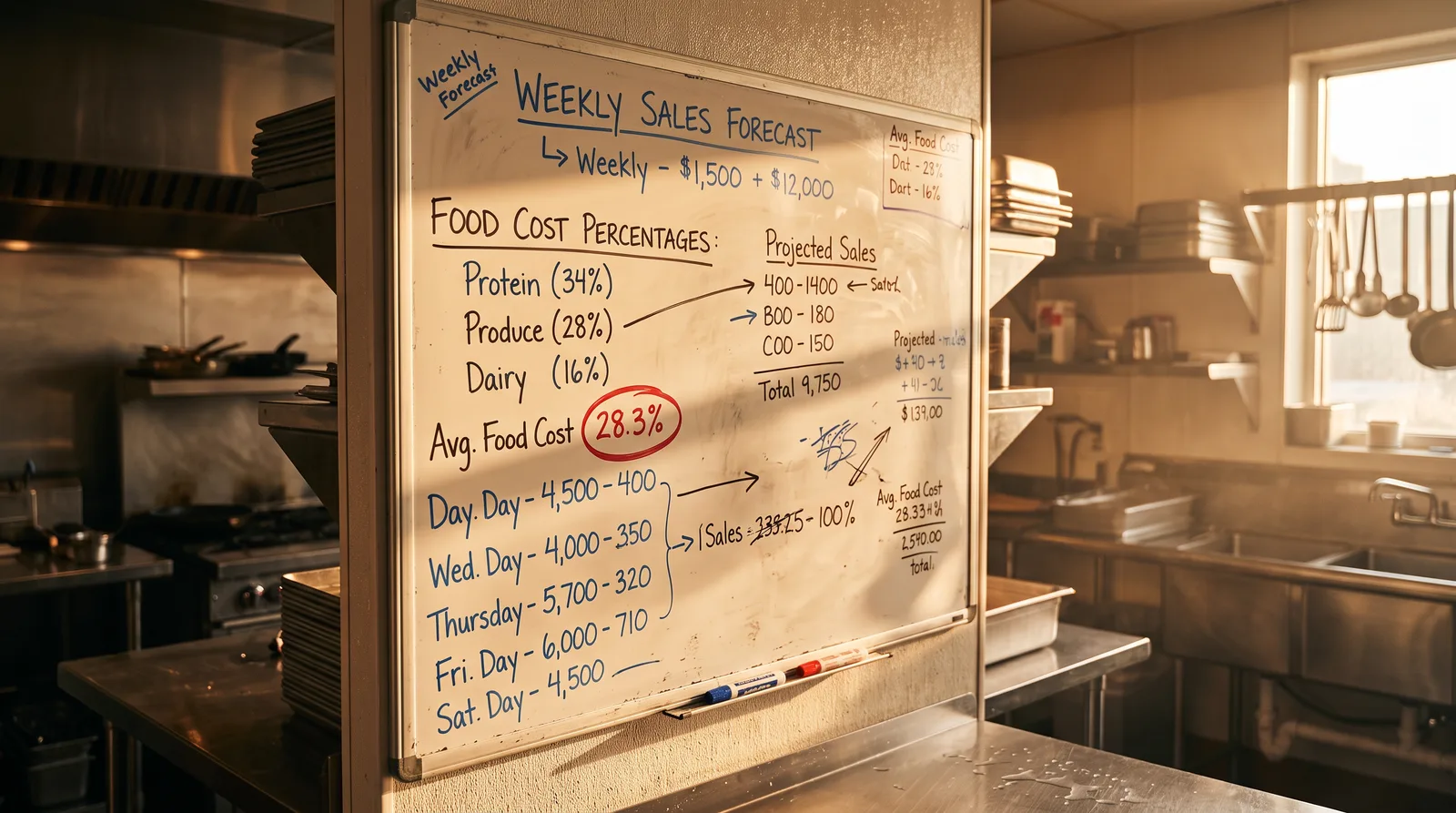
The first 90 days in a restaurant management role feel like drinking from a fire hose. You're learning the menu, the staff, the regulars, the vendor relationships, and the POS system — all at once, all at full speed. Most new managers don't fail because they're lazy or incompetent. They fail because they make five very predictable mistakes, usually in the same order. Let's name them so you can sidestep them.
1. Skipping the Systems Audit
Walking into a new role and just running the operation as-is is the number one momentum killer. Every restaurant inherits ghost processes — prep sheets nobody uses, a scheduling template from three managers ago, a comps policy that lives only in the previous GM's head. If you don't audit these in week one, you'll spend months firefighting problems that have a structural root cause.
What to do instead: In your first two weeks, document every recurring task and ask one question: Is this written down somewhere, and does the written version match what's actually happening? Gaps between the manual and reality are where food cost bleeds and guest complaints are born. You don't have to fix everything immediately — but you have to see it.
2. Ignoring Line-Level Feedback
Your servers, line cooks, and dishwashers know things you don't. They know which prep step slows down every Friday dinner rush. They know which menu item gets sent back constantly and why. They know which vendor has been shorting portions. New managers who come in with a "I'm in charge now" posture cut themselves off from the most valuable intelligence in the building.
What to do instead: Build a simple feedback loop early. A five-minute pre-shift huddle where you genuinely ask "What's slowing you down?" and then actually act on one thing per week sends an unmistakable message: your floor team's knowledge is an operational asset, not a complaint box. People work harder for managers who listen.
3. Over-Discounting to Drive Traffic
When sales are soft, the tempting move is to run a promotion — half-price apps on Tuesdays, a loyalty punch card, a Groupon push. Some of these tools have a place, but new managers often reach for discounts before they understand their food and labor cost structure. Driving more covers at the wrong margin doesn't fix a slow restaurant; it accelerates the losses.
What to do instead: Before you touch pricing or promotions, calculate your actual contribution margin on your top ten sellers. The formula is simple: Selling Price − Food Cost = Contribution Margin. If your $14 burger costs $5.60 to make, your contribution margin is $8.40. Now you know which items you want to sell more of, and which ones you need to reprice or remove before you promote them. Traffic without margin math is just busier bankruptcy.
4. Trying to Fix Everything at Once
Ninety days feels long until it's over. New managers who arrive with a renovation list — new menu, new floor layout, new scheduling software, new uniform policy — almost always create staff churn before they create improvement. Change without trust is just disruption.
What to do instead: Pick one high-leverage change per month. Month one: fix the thing that's costing you the most money or causing the most guest complaints. Month two: build on that win. Month three: tackle culture or training. Sequencing matters. A staff that sees you solve real problems quickly will follow you into harder changes later.
5. Neglecting the Numbers Until End of Period
Too many new managers treat the P&L like a report card that arrives after the test is over. By the time the weekly food cost report lands, the variance has already happened — and you've lost the ability to course-correct in real time.
What to do instead: Build a daily numbers habit. Every morning, look at three things: yesterday's sales vs. forecast, any comps or voids from the night before, and your running food and labor cost percentages for the week. This doesn't require a finance degree. It requires five minutes and a consistent routine. When something spikes, you catch it while you can still do something about it — not three weeks later during a budget review.
The first 90 days aren't about proving you're the smartest person in the building. They're about building the operational foundation that makes everything else possible — the systems, the trust, the financial literacy, and the discipline to change things in the right order. Get those right, and the restaurant starts working for you instead of the other way around.
If you want to go deeper on any of these — especially the cost control side — that's exactly what we work through in Food and Beverage Management. The door's open.

Want to go deeper than a blog post?
Hospitality Operations - Food and Beverage Management
Master every layer of running a profitable restaurant — from kitchen operations and staff leadership to cost control and guest experience. Turn chaos into a smooth, money-making machine.
Start learning — $397 · 30 days access